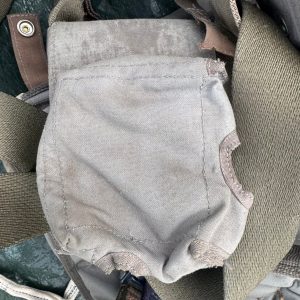
The Aircrew Parachute Harness/Pack – Vulcan & Victor Crew Seats combines historical aviation interest, crew-seat integration potential, harness construction, and emergency-equipment significance.
An Aviation Parachute Harness may form part of military, training, experimental, aerobatic, or historic aviation equipment, website while a Pilot Parachute Harness requires professional assessment before any operational consideration.
Every Aircraft Emergency Parachute Harness, Aircrew Safety Harness, Flight Crew Parachute Harness, Emergency Parachute Harness, or Military Aircrew Harness requires individual inspection because age, storage, wear, and modification can affect condition.
An Aviation Emergency Escape Harness may include webbing, fittings, attachment points, adjustment hardware, container-related components, and seat-interface features depending on the exact design.
Aircraft Parachute Equipment offers the strongest value when condition, origin, markings, storage history, and intended sale status are disclosed transparently.
Exploring the Aircrew Harness and Pack Configuration
A visually similar military parachute harness may not belong to the same aircraft, seat, or operating configuration.
Collectors and restorers benefit from a complete inventory showing installed items, loose pieces, missing parts, and unverified features.
Understanding Aviation Harness Materials
Metal hardware can corrode, crack, deform, seize, or develop sharp edges that damage surrounding material.
Stitching should be reviewed for broken threads, fading, contamination, pulled sections, loose patterns, unauthorized repair, and separation from the webbing.
Pilot Parachute Harness Fit and Adjustment
The adjustment range should be documented when labels or original information are available.
Professional conservation can protect both the Pilot Parachute Harness and its historical significance.
Aircraft Emergency Parachute Harness Function
Operational claims should never be made without current specialist inspection and applicable documentation.
Paint, plating loss, scratches, or movement marks may provide information about previous use and storage.
Maintaining Aircrew Harness Equipment
A harness associated with one crew seat should not be assumed suitable for another position.
Metal parts should be isolated from materials that may encourage corrosion or staining.
Military Parachute Harness Inspection
The condition of a Flight Crew Parachute Harness should be described using specific observations rather than broad terms such as excellent, serviceable, or ready for use.
Any known aircraft history, crew-seat association, unit provenance, or acquisition records should be presented carefully and supported when possible.
Harness Hardware Evaluation
The item should not be opened, repacked, or disassembled without suitable knowledge because historic arrangements may be lost.
Metal fittings should be checked for rust, pitting, cracks, distortion, sharp edges, frozen movement, and plating loss.
Preserving Cold War Aviation Safety Gear
Responsible descriptions should distinguish verified history from seller interpretation.
The equipment should be mounted through reversible methods that avoid cutting, drilling, gluing, or permanently altering original material.
Understanding an Aviation Emergency Escape Harness
An Aviation Emergency Escape Harness should be understood as one part of a larger crew-survival and emergency-egress arrangement.
Wear patterns can sometimes show how straps or fittings were routed, but interpretation should remain cautious.
Understanding a Parachute Harness Assembly
Completeness should be described through visible evidence and available records.
Small fittings, retainers, straps, pins, covers, or connectors may have significant restoration value.
Military Crew Survival Gear
One serviceable-looking component does not establish the condition of the complete crew-safety system.
Aggressive washing, chemical treatment, polishing, repainting, or hardware replacement can reduce originality and damage materials.
Military Flight Emergency Gear
Collectors should preserve labels, inspection records, modifications, and storage evidence.
Replacement straps or hardware should be disclosed when known.
Evaluating Historic Parachute Systems
Any operational consideration requires current evaluation by appropriately qualified parachute personnel.
Collectors should avoid deploying, unpacking, repacking, or load-testing rare equipment without understanding the effect on originality and condition.
Preserving an Aviation Harness Assembly
An Aviation Safety Harness can become a strong centerpiece within a military aviation collection, crew-seat display, cockpit reconstruction, or museum exhibit.
Public displays should include clear information explaining the item’s aircraft association, approximate period, purpose, condition, and nonoperational status where appropriate.
Evaluating Parachute Harness Value
The seller should understand the buyer’s purpose before making suitability statements.
Original storage bags, manuals, inspection cards, or photographs can increase collector interest.
Aircraft Parachute Equipment Compatibility
Components should not be combined merely because they connect physically.
Any uncertain connection should remain unforced and documented.
Military Aircrew Harness Buying Checklist
A pre-purchase review should confirm manufacturer, part numbers, dates, labels, aircraft or seat association, webbing condition, hardware, pack configuration, repairs, storage history, completeness, and documentation.
- Determine whether the canopy, deployment components, release equipment, inspection cards, storage bag, manuals, or other items are included.
- Inspect webbing for fading, stiffness, fraying, cuts, abrasion, mildew, stains, chemical damage, burned areas, pulled fibers, and unauthorized repairs.
- Retain purchase records, photographs, provenance documents, packaging, and condition reports with the collection or restoration file.
Parachute Webbing Preservation
Straps should follow broad natural curves rather than sharp folds that concentrate stress.
Any suspected mold or chemical contamination should be isolated and assessed carefully.
Historic Parachute Equipment Presentation
Adhesives, staples, screws, drilling, cutting, or irreversible sewing should be avoided.
The equipment should remain accessible for periodic inspection without requiring extensive dismantling.
Military Parachute Equipment Preservation
Aggressive cleaning can remove original markings, finishes, inspection evidence, or historically significant wear.
Repairs intended for display should remain reversible and clearly documented.
Choosing the Aircrew Parachute Harness/Pack – Vulcan & Victor Crew Seats
For the correct project, the harness and pack can add an important level of accuracy and visual detail to a compatible crew-seat display.
A qualified parachute professional must evaluate the equipment before any operational consideration, while a conservator or historian may be more appropriate for display-focused projects.
Whether buyers seek a Flight Crew Parachute Harness, Emergency Parachute Harness, Military Aircrew Harness, or Aviation Emergency Escape Harness, exact system identity remains essential.
With prompt attention to webbing, stitching, hardware, corrosion, labels, pack materials, and storage conditions, the equipment can retain its appearance and research value.